
What Is a Transportation Management System (TMS)?
Table of Contents

Global freight volumes are climbing, freight costs are hitting record highs in 2026, and the TMS market itself is projected to grow from roughly $15 billion to nearly $18 billion this year alone, on its way to over $30 billion by 2030. Behind those numbers is a simple truth: moving goods has never been more complex, and businesses that still plan routes on spreadsheets or coordinate carriers over email are absorbing costs they don’t have to. A Transportation Management System isn’t a “nice to have” anymore, it’s becoming the operational backbone that decides whether a shipment arrives on time, on budget, and with full visibility from dock to doorstep.
For US businesses navigating tariff shifts, capacity crunches, and rising customer expectations around real-time tracking, understanding what a TMS actually does and why it matters right now is the first step toward building a logistics operation that can scale instead of scramble. This blog sheds light on the driving factors behind the growing adoption and integration of TMS and how choosing the right technology partner can make a difference.
What is a Transportation Management System (TMS)?
A Transportation Management System (TMS) is a software platform that businesses use to plan, execute, and optimize the physical movement of goods. Whether it’s inbound, outbound, across truckload, rail, ocean, or air- a TMS is the go-to problem solver that every shipper faces daily, such as which carrier should move this freight, finding the most efficient route, and exact status of the shipment.
Rather than treating transportation as a series of disconnected phone calls and spreadsheets, a modern transportation management system centralizes the core functionalities into an integrated view. From carrier selection, load planning, freight rate comparison, shipment execution, tracking, to freight audit and payment, businesses can access crucial shipment status and data for a flawless execution. It acts as a connective layer between order management, warehouse operations, and the carriers actually hauling the freight, which is exactly why it’s increasingly discussed alongside ERP and WMS platforms rather than just a standalone tool.

Key Features of Transportation Management Software
Today’s advanced TMS comes feature-packed that may or may not complement every business type and daily operational requirement. In fact, the specific capability may vary based on shipment volume, transportation complexity, and the level of control a company needs.
1. Freight Planning and Route Optimization
Transportation Management Software can help planners select suitable routes, evaluate carrier options, consolidate shipments, and consider delivery requirements. For businesses moving freight across multiple regions, planning can help reduce avoidable miles, improve load utilization, and identify more suitable transportation options.
However, an optimized route on screen does not guarantee the lowest final shipping cost. Factors like traffic, accessorial charges, delivery appointments, capacity, and service commitments still matter.
2. Carrier Management and Freight Procurement
Carrier management capabilities help businesses organize carrier information, compare rates, coordinate bookings, and monitor service performance. For freight brokers and 3PLs, this can support coordination across multiple shipper and carrier relationships. For manufacturers and distributors, it can help standardize how transportation services are selected and managed.
3. Real-time Shipment Visibility
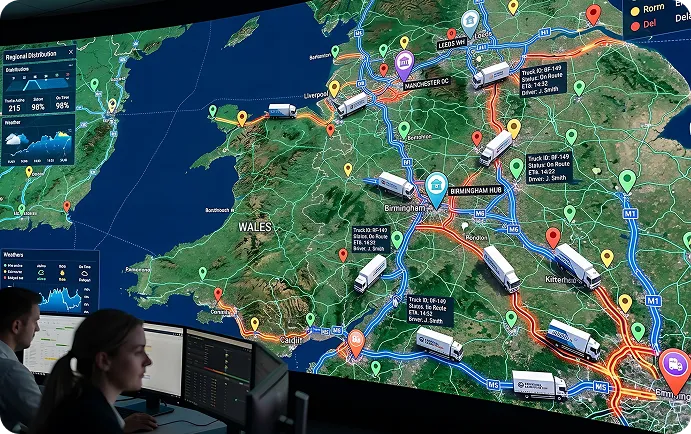
Shipment tracking helps teams monitor freight movement and identify exceptions. Rather than waiting for a customer to report a missed delivery, a team may receive information about a delay and act proactively to solve it. Visibility depends on the quality and frequency of carrier updates, tracking integrations, and the availability of reliable shipment data.
4. Freight Cost Management and Reporting
Freight management software can help businesses review transportation spending across carriers, routes, shipment types, and service levels, besides other essential logistics activities, such as:
- Freight cost per shipment or order
- On-time pickup and delivery rates
- Carrier performance
- Load utilization
- Accessorial and detention charges
- Cost differences between planned and actual transportation
These measures give managers a more useful basis for identifying recurring cost issues than reviewing total freight expenditure alone.
5. Integration with Other Logistics Systems
A TMS becomes a valuable addition when it can exchange accurate information with the systems responsible for orders, inventory, warehouse activity, and financial records. This happens with expert integration support, which may vary by provider.
Why Transportation Management Software Matters for Small Businesses
There’s a persistent myth that TMS platforms are purpose-built only for enterprise shippers, moving thousands of loads a month. That’s no longer accurate. Cloud-based transportation management systems for small businesses options have lowered the entry barrier significantly with no massive IT infrastructure, no six-figure implementation, and no dedicated logistics department required.
For a growing regional distributor, a specialty food brand shipping direct-to-consumer, or a manufacturer managing a handful of core carrier relationships, transportation management software for fleet management and freight execution can mean the difference between guessing at carrier rates and knowing them, between reactive customer service calls and proactive shipment alerts. Small and mid-sized businesses that adopt a right-sized TMS early tend to scale their logistics operations far more smoothly than those that wait until manual processes are visibly breaking down.
How to Choose the Right TMS for Your Business
Not every TMS is built the same, and the more consequential decision usually isn’t which platform has the longest feature list. The ultimate decision-maker is whether the system actually complements your freight movement and next growth strategy. So, here is the comprehensive list of a few things worth evaluating before signing anything:
1. Integration Depth, Not Just Integration Claims
Confirm with the service provider, if the platform effortlessly connects with your existing ERP, WMS, and EDI setup, or gonna create another data silo.
2. Scalability Across Modes and Volume
A system that works for 50 shipments a month should still deliver without a full re-platform, even if the volume hits or exceeds 500.
3. Implementation and Ongoing Support
Make sure that the latest TMS integration is backed by 24×7 optimization support for uninterrupted performance after onboarding and even during odd hours.
4. Vertical Fit
Freight brokerage, retail e-commerce, manufacturing, and healthcare logistics all have different compliance and service-level demands that a generic, one-size-fits-all platform often misses.
This is precisely why more companies are leaning toward a consultancy-first approach to logistics technology, working with a partner who diagnoses the actual operational gap before recommending a platform, rather than selling a system first and figuring out the fit later. That sequencing matters more than any single feature comparison, because the right TMS is the one designed around your existing operations, not the other way around.
The Bottom Line
Transportation is no longer a back-office function that runs quietly in the background. It’s a visible, measurable driver of customer experience, cost control, and competitive resilience. As global trade conditions keep shifting through tariffs, capacity swings, and rising delivery expectations, the businesses that treat transportation management as a strategic system can adapt on short notice.
If your transportation operations still run on manual coordination and disconnected spreadsheets, now is a reasonable moment to evaluate what a properly integrated system could do for your freight costs, your visibility, and your customer relationships. A conversation with a logistics technology partner who understands your specific operations is often the most practical place to start.
Frequently Asked Questions
What's the difference between a TMS and an ERP?
An ERP manages broad business operations, involving finance, inventory, procurement, while a TMS focuses specifically on planning, executing, and tracking freight movement. Many businesses run both, integrated together, so transportation data flows into the larger operational picture.
Is a TMS worth it for a small business?
Yes, increasingly so. Cloud-based transportation management software has made entry costs manageable, and small businesses often see quick returns through better carrier rate visibility, reduced manual errors, and improved shipment tracking.
Does a TMS work with a private fleet, or only third-party carriers?
Most modern platforms handle both. Many TMS solutions now include fleet management system features like driver hours tracking and vehicle utilization, alongside third-party carrier management, in one interface.
How long does it typically take to implement a TMS?
Timelines vary by business complexity, but cloud-based platforms with strong vendor support can often be implemented in weeks rather than months, especially when integration requirements are scoped clearly upfront.
Recent Blogs

Common ERP Integration Challenges and How to Avoid Them